Address
Rua da Missão Nº 77, Kinaxixi
Work Hours
Todos os dias: 24/7
Tel. +244 959 911 890
Address
Rua da Missão Nº 77, Kinaxixi
Work Hours
Todos os dias: 24/7
Tel. +244 959 911 890



How Family Dynamics Contribute to Male Suicide…
By Dr. Suzana Ingrid
Suicide among men is a global crisis—one cloaked in silence and shame. Beneath the surface of these tragic statistics lies a powerful and often overlooked force: the family, the deep hole of hidden unforgettable traumatic moments, where old wounds never healed, the fact is that when home hurts an emotional bomb is created inside of us, family dynamics contributes to male suicide, its triggers the inside emotional nuclear bombs in man.
The way a boy is raised, his family structure, the emotional climate of the home, the presence or absence of parents can shape how he deals with emotional pain for the rest of his life. For too many men, the home becomes the first place where they learn to suppress emotion, deny vulnerability, and carry burdens alone.
Families are supposed to nurture, support, and guide. But when family systems are broken, toxic, or emotionally unavailable, they can become breeding grounds for long-term emotional distress. Boys raised in such environments often internalize beliefs like “my feelings don’t matter” or “I must be strong for everyone else.” This early conditioning creates a foundation of silence and emotional isolation.

Many men who die by suicide were never given the tools to process emotional pain. They were raised to be strong providers, not sensitive humans. Their homes taught them survival, not self-compassion. Their families—sometimes unintentionally—passed down silence, shame, and fear.
What Needs to Change?
We must address family structure as a root cause in men’s mental health crises.
Fathers must be present—not just physically, but emotionally and mentally.
Single mothers must be supported with resources, community, and guidance.
Toxic family patterns must be broken with education, awareness, and therapy.
Boys must be raised in homes where emotional expression is nurtured, not punished.
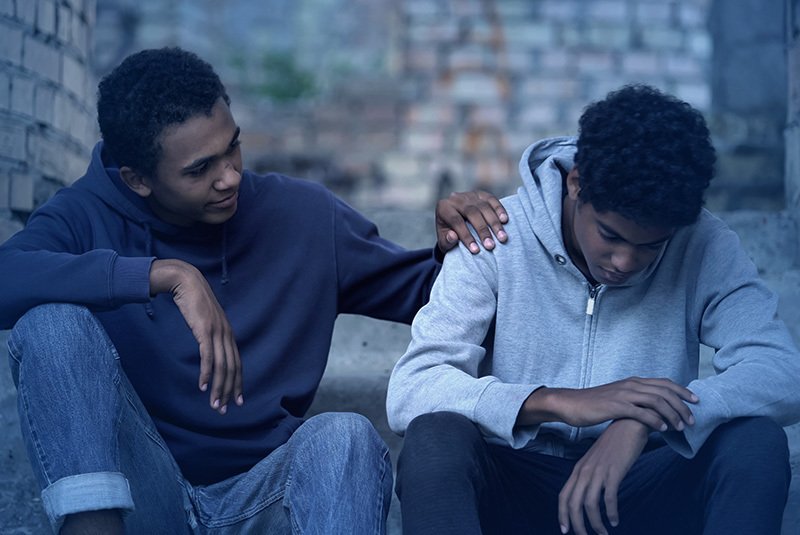
To truly reduce the rising number of male suicides, society must create safe spaces for emotional expression starting at home. Boys and men should grow up in environments where they are free to cry, to speak, to feel without fear of being shamed. Family members must intentionally foster ope